Liverpool’s Labour-led City Council has played a central role in shaping and sustaining the city’s cultural scene since taking office in 2010. Over the past fifteen years, the council has championed ambitious projects, supported grassroots organisations, and ensured that culture remains a key driver of the city’s identity and economy—even as the sector faces ongoing challenges.
Liverpool’s cultural ambition has been vividly demonstrated by the city’s spectacular street theatre events, most notably the Giants. The arrival of these enormous puppets—created by French company Royal de Luxe—in 2012, 2014, and 2018 saw the city transformed into a giant stage, drawing crowds of up to 1.3 million for the final event. These performances not only showcased Liverpool’s creative ambition but also brought communities together and cemented the city’s reputation for world-class public events.
Liverpool’s event calendar is always packed with world-class happenings, many of which have flourished under council support. Highlights include:
- The Grand National Festival: The largest horse racing event in the UK, attracting global attention.
- Liverpool Biennial: The UK’s largest free contemporary art festival, which takes over the city every two years.
- Eurovision Song Contest 2023: Hosted in Liverpool, this international event put the city in the global spotlight.
- On The Waterfront Festival: A multi-genre concert series that has become a staple of Liverpool’s cultural offering.
These events, along with others like the Lunar New Year Festival and BBC Radio 1’s Big Weekend, demonstrate Liverpool’s ability to host and celebrate culture at scale, drawing visitors from across the UK and beyond.
The council’s commitment to culture is underpinned by the Culture and Arts Investment Programme (CAIP), which currently invests £2.2 million per annum in local cultural organisations. This funding is a lifeline for many grassroots and established groups, enabling them to create, perform, and engage with communities across the city. The programme is part of a broader strategy to ensure that Liverpool’s creative and visitor economy remains resilient and ambitious, even in the face of economic uncertainty.
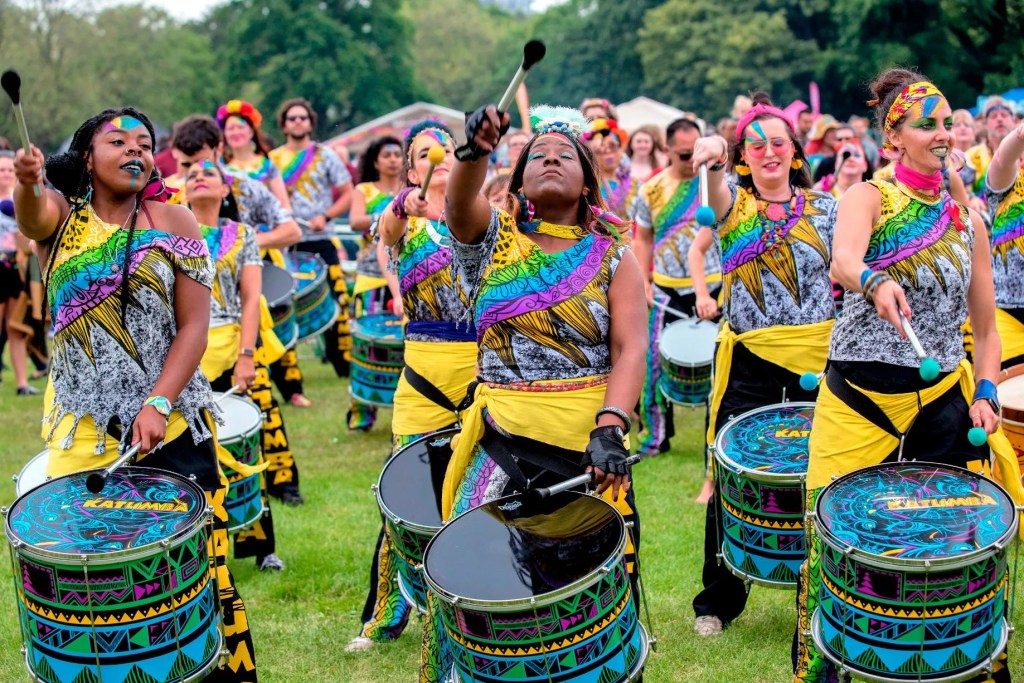
Despite these successes, the live events sector continues to face significant challenges. Rising costs, increased infrastructure and compliance requirements, and the lasting impact of the pandemic have made it tough for even the most established festivals to continue. Africa Oyé, Liverpool’s beloved celebration of African and Caribbean music and culture, is a prime example. After record-breaking attendance in 2024, the festival made the difficult decision to take a fallow year in 2025 to ensure its long-term sustainability.
Liverpool City Council through Culture Liverpool have been unwavering in their support for Africa Oyé. The festival is a key beneficiary of the Culture and Arts Investment Programme, and last year, the council provided additional funding to help deliver a comprehensive traffic management plan for Sefton Park, ensuring the safety and smooth running of the event. Culture Liverpool has also offered significant in-kind support, working closely with the festival team on logistics, promotion, and partnership building.
This collaborative relationship continues, with the council and Culture Liverpool working alongside Africa Oyé to plan for a bigger and better festival in 2026.
But while the council’s Culture and Arts Investment Programme is a vital source of support, it is clear that more needs to be done to secure the long-term future of Liverpool’s cultural sector. Current investment is stretched thin, and many organisations—especially those running live events—are struggling to keep up with rising costs and increasing demand.
At present, Liverpool’s visitor economy is supported in part by the Accommodation Business Improvement District (BID). This scheme sees a levy placed on overnight stays in hotels and serviced accommodation, with the revenue intended to support tourism and the visitor economy. While the Accommodation BID has provided some much-needed funding, there are some flaws in how this money is accessed by culture organisations.
The process for distributing BID funds can be opaque and overly bureaucratic, making it difficult for smaller and grassroots cultural organisations to benefit. Many groups report that the application process is complex and that the criteria for funding are not always aligned with the needs of the cultural sector. As a result, much of the money raised through the BID does not reach the organisations that are most in need of support.
A more sustainable solution is needed. One that generates additional revenue specifically for the culture and visitor economy. The introduction of a tourism tax, similar to those used in many European cities, would provide a stable and significant source of funding that could be reinvested directly into cultural events, venues, and organisations.
A tourism tax would be a small charge added to overnight stays in hotels and other accommodation, with the proceeds ring-fenced for the benefit of the city’s cultural and visitor economy. This approach is already gaining traction across the UK, with regional mayors—including the Mayor of London—backing calls for a tourism tax. Their support makes the introduction of such a levy increasingly likely.
A tourism tax would not only provide more funding for the sector but would also ensure that the money is distributed fairly and transparently, with clear mechanisms for cultural organisations to access the support they need. This would help to future-proof Liverpool’s cultural sector, ensuring that the city remains an exciting place to live, work, and visit for years to come.
 Harry Doyle
Leave a comment